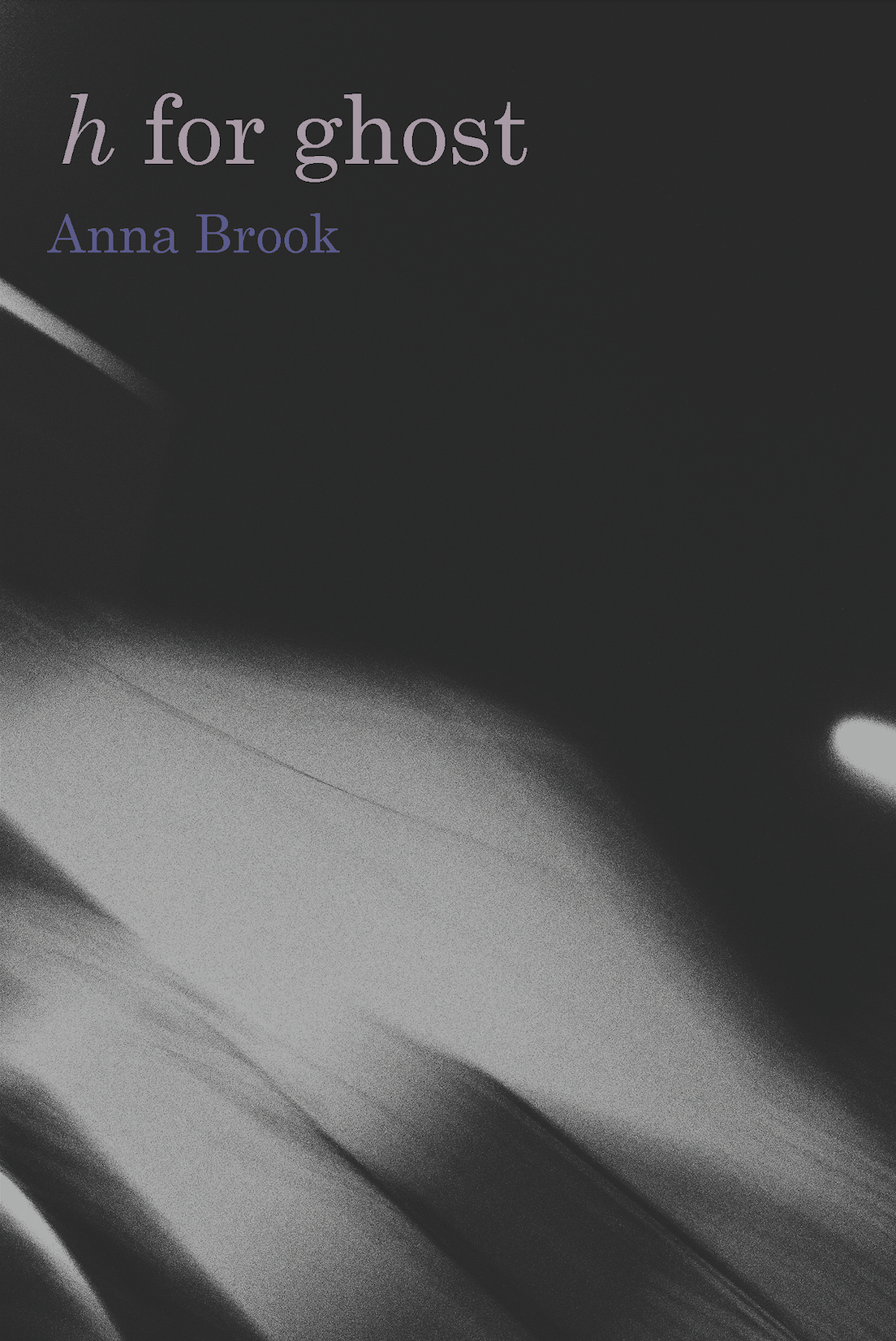
h for ghost - poetry pamphlet
Available here at Salò Press
“Grounded in everyday urban spaces, swollen rivers, overgrown fences and moments of small wonder, Anna Brook’s poems offer an immersion into the untamed landscapes of haunted moments and an untenable present. The poems gravitate towards themes of grief and violence, closely attended here by their shadows: ghosts and care. Motherhood runs through the poems too, bringing its own peculiar hauntings, its troubled care, its wonder. Intimacy shimmers in and out of reach, often uncertain, always vulnerable.”
“h for ghost explores the gaps between past and present, and expectation and reality, reflecting on the inevitable changes of growing up, moving on, becoming an adult and a mother. But like the undaunted foxes that appear in them, there’s a defiant self in Anna Brook’s poems that persists in desiring, doubting and imagining, and ultimately in bridging the gap between loneliness and connection. “
– Eva Aldea, author of Forced Swimming Test
“In this atmospheric pamphlet, quotidian geographies are infused with feeling and haunted by past lives. Memories, hazy and half-grasped, dissolve like salt on ice. The poet offers us rich sensory glimpses of things that often slip through gaps of attention: the ridges of nettles, layers of earth / lilac, bone and dark, the sun’s coral eyelids. These poems flicker and shift between presence and absence, sweetness and aching, grappling with the “impossibility of language”, of being human.”
– Emma Filtness, author of This Savage Language
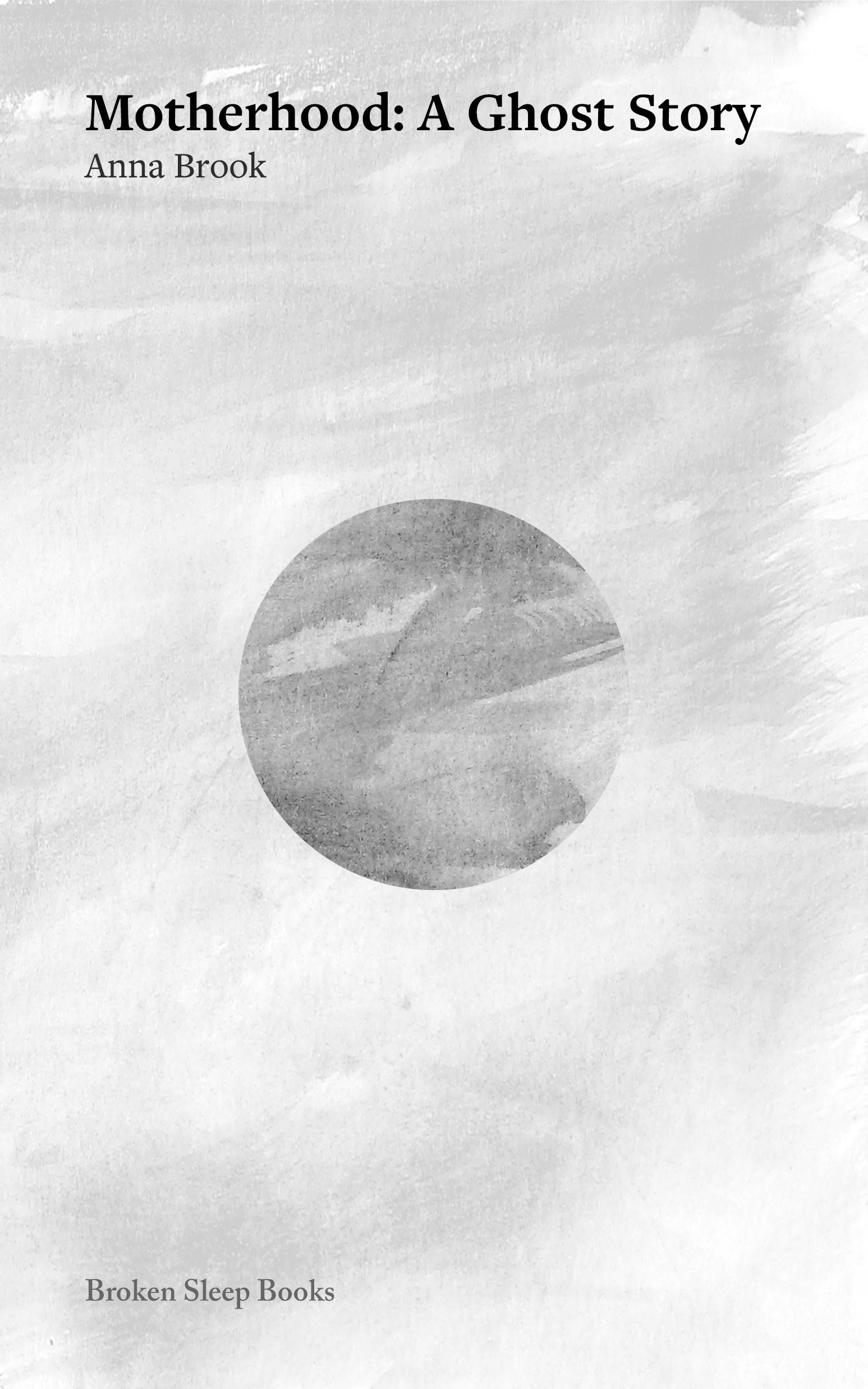
Motherhood: A Ghost Story - poetic prose
Available here at Broken Sleep Books
“Anna Brook’s Motherhood: A Ghost Story is an unguarded, lyrical excavation of the thresholds between presence and absence, memory and immediacy, selfhood and care. Rendered in the space between poetry and prose, Brook traces the spectral nature of early motherhood: how the body is unmade and remade, how time dissolves and reforms, and how past and present flicker in and out of alignment. Layered with literary echoes and visceral sensory detail, this work defies easy categorisation, existing in the liminal space between memoir, poetry, and philosophical meditation.”